

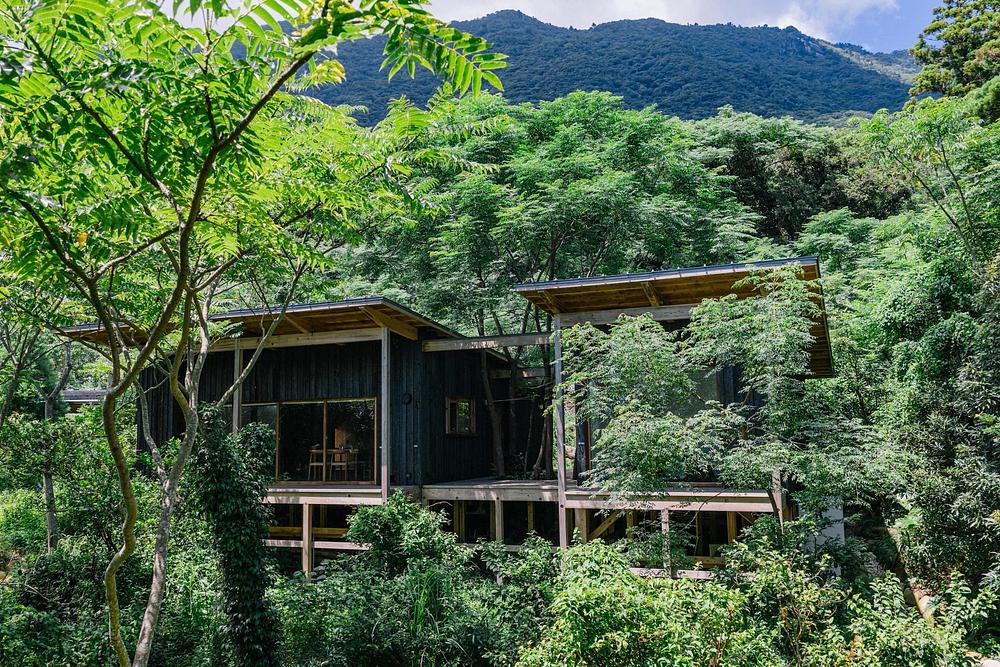
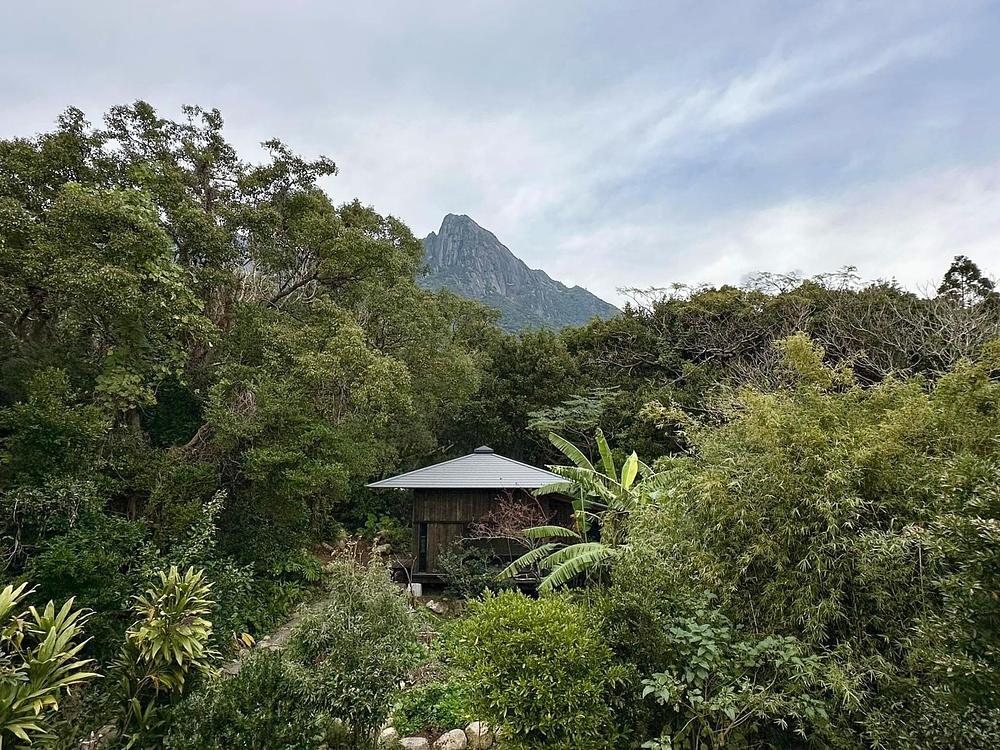
Japanese architecture practice tono has been named Best in Sustainability Firm at the 2026 Architizer A+ Awards, recognizing its pioneering commitment to regenerative architecture and ecological restoration. Unlike awards that celebrate individual projects, this prestigious honor acknowledges the firm’s overall philosophy and long-term dedication to designing buildings that actively restore the natural environment.
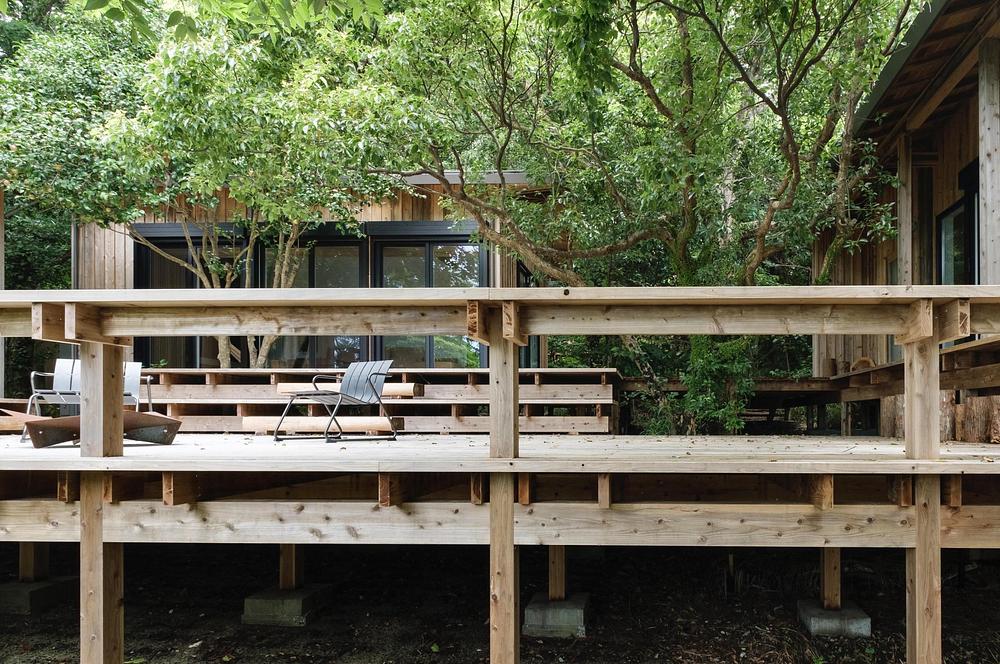
For tono, architecture is not simply about constructing buildings but about strengthening the relationship between people, nature, and the land they inhabit. Every project is designed to enhance biodiversity, improve soil health, protect water systems, and support the complex networks of fungi and microorganisms that sustain healthy ecosystems.
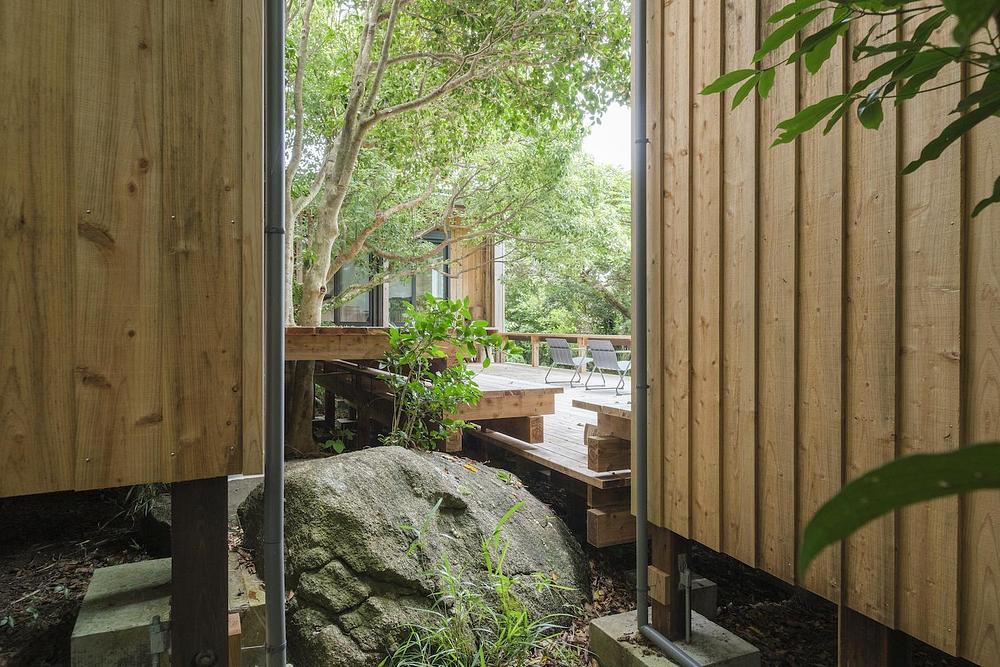
This philosophy is reflected in the firm’s innovative design process. Instead of reshaping landscapes to accommodate buildings, tono works with existing ecological conditions whenever possible. Traditional Japanese construction methods—including stone foundations and charred timber piles—are used to minimize disturbance to the soil while extending the lifespan of the structures. Ecological considerations such as wildlife movement, underground fungal networks, water cycles, and native vegetation become integral components of the architectural design.
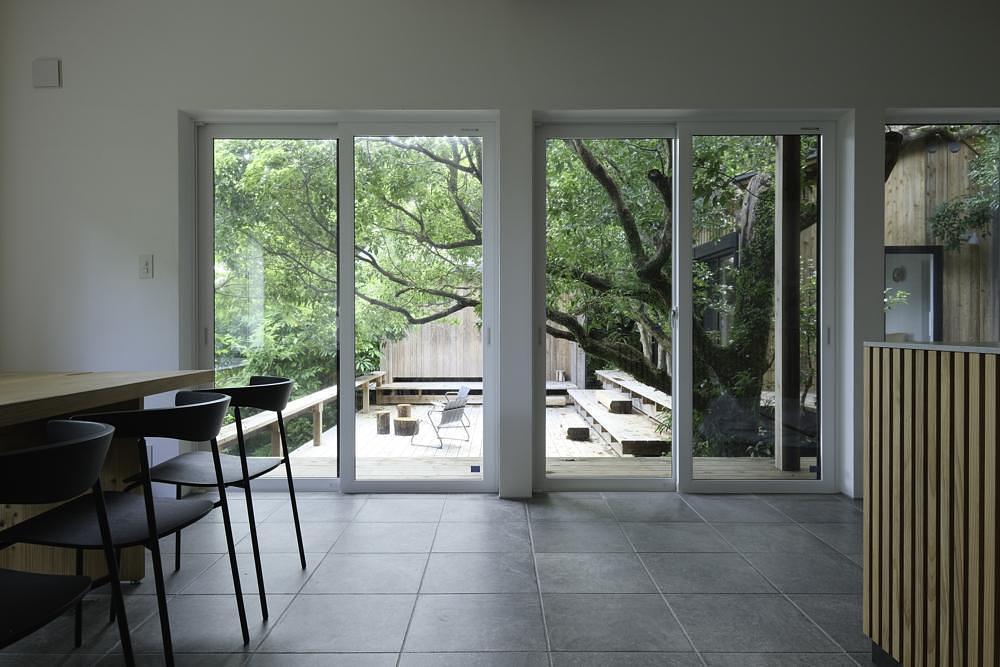
The firm’s award-winning residential project, Sumu Yakushima, exemplifies these principles. Carefully integrated into its forest setting, the project demonstrates how thoughtful architecture can preserve biodiversity while creating healthy, comfortable living environments. It has received numerous international honors for combining low-impact construction with long-term ecological restoration.
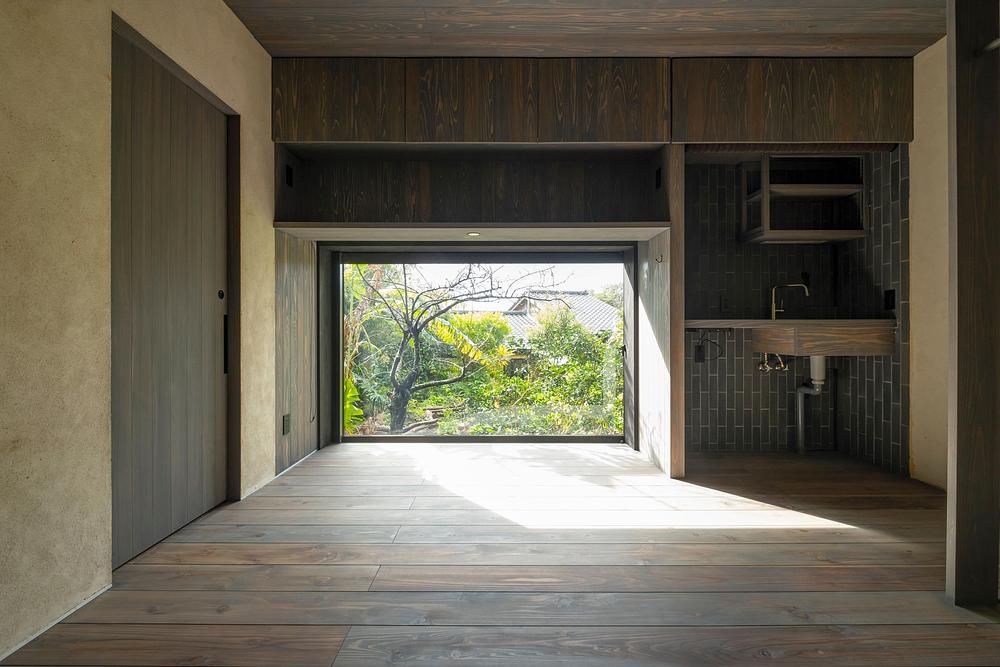
At the heart of tono’s philosophy is a concept the practice calls KINCHIKU, an architectural approach that recognizes fungi, microorganisms, and living ecological systems as active partners in the design process. This perspective represents a significant shift from conventional sustainable design, emphasizing that buildings should contribute positively to the ecosystems in which they exist.
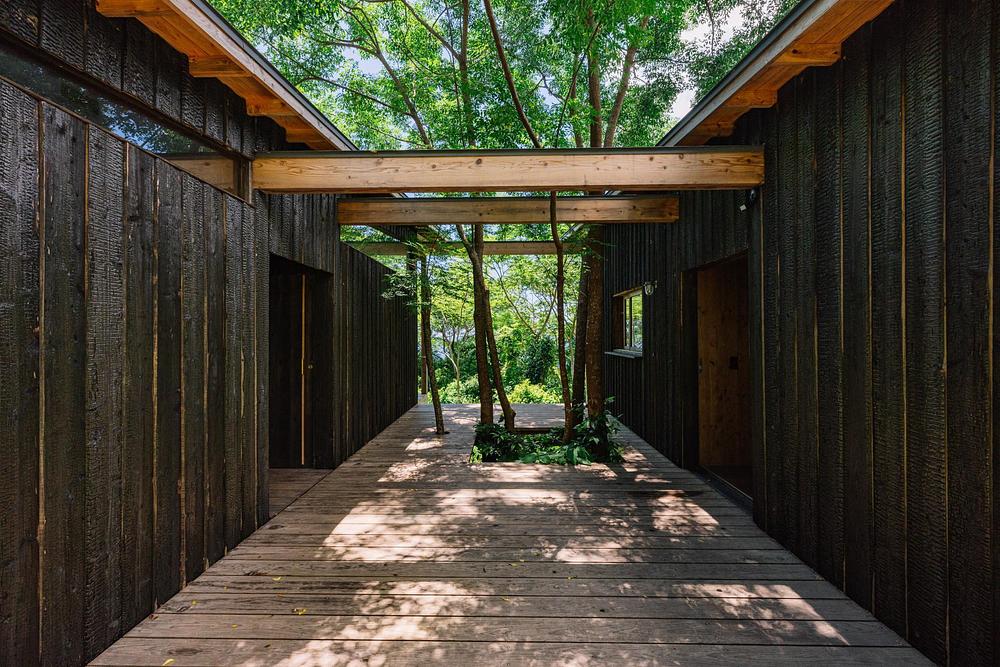
The recognition from the Architizer A+ Awards reflects a broader evolution within the architectural profession. Increasingly, architects are asking not only how buildings can minimize environmental damage but also how they can regenerate landscapes, restore biodiversity, and improve ecological resilience
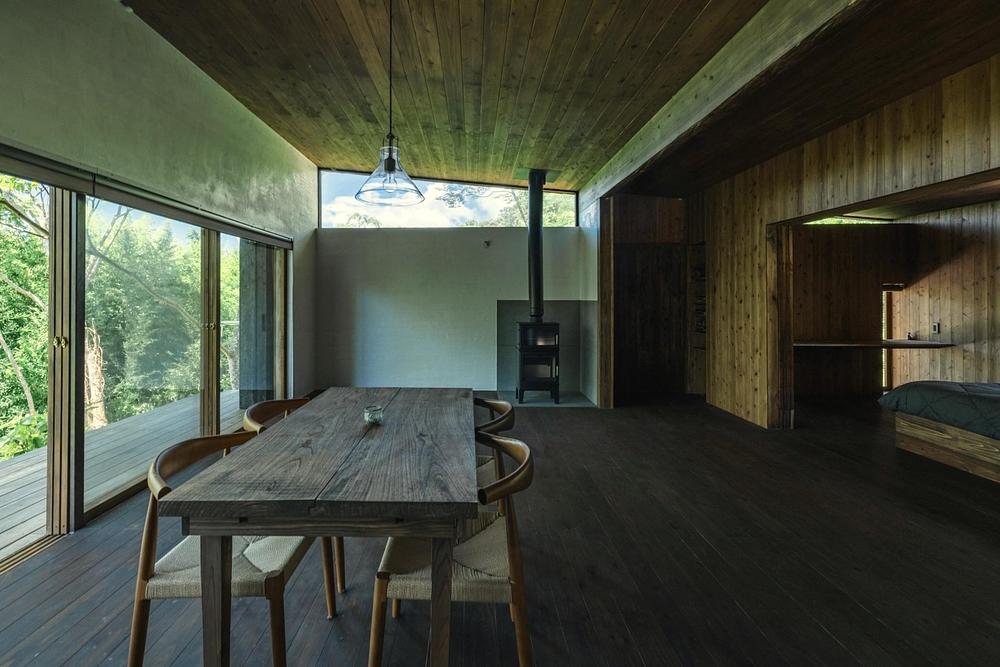
“Living in Yakushima completely changed my understanding of sustainability,” says founder Tsukasa Ono. “Rather than simply reducing harm, architecture can become an active participant in restoring living ecosystems. This award suggests that our profession is beginning to embrace that possibility.”
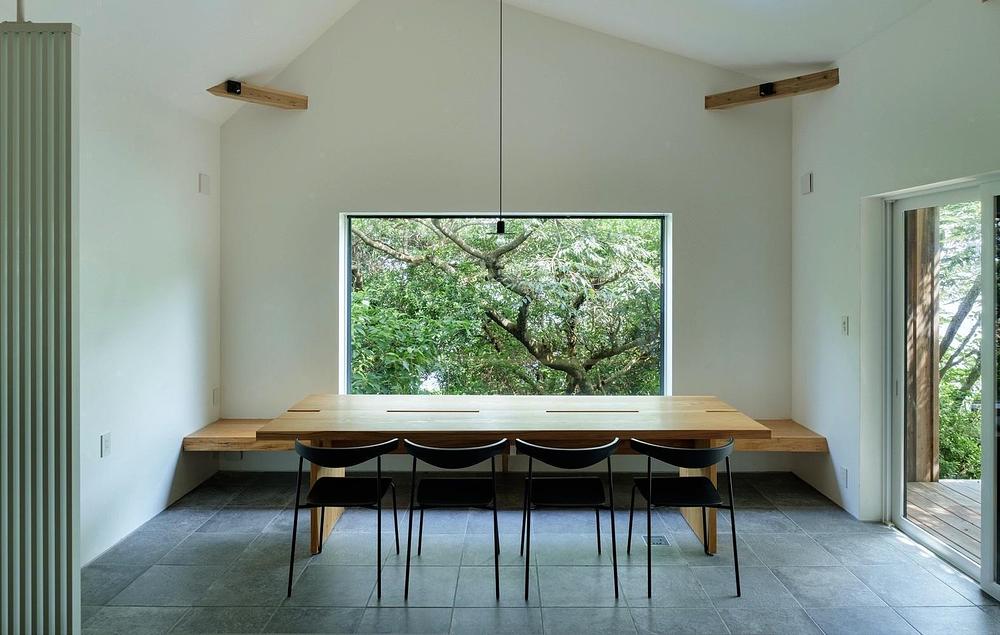
Since 2022, tono has earned more than 40 international design awards, but the Best in Sustainability Firm distinction marks an important milestone by recognizing the firm’s overall vision rather than a single project.
Today, tono works internationally on hospitality, residential, and resort developments, combining traditional Japanese craftsmanship with advanced environmental analysis and life-cycle assessment tools. Guided by the principles of simplicity, harmony, and ecological stewardship, the firm continues to demonstrate that architecture can become a powerful catalyst for environmental regeneration and a healthier future.
Photos credit: Rui Nishi, Robert Anderson, Shu Ito