

Cam Ranh, Vietnam
IDEE Architects
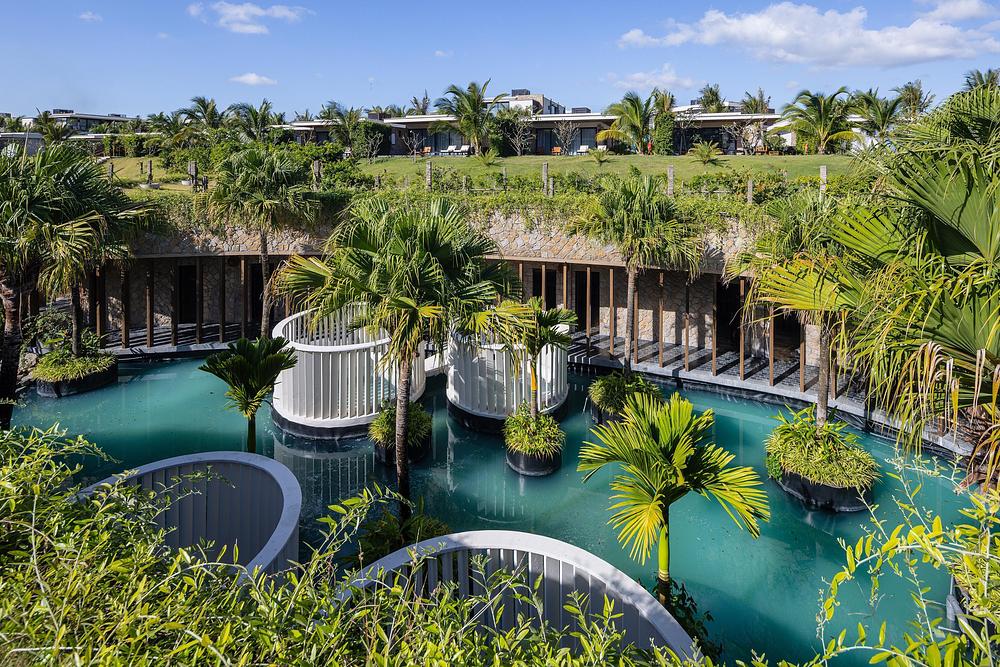
Nestled within the coastal sand dunes of Bãi Dài in Cam Ranh, Vietnam, Hidden Spa – Water Hope, designed by IDEE Architects, demonstrates how architecture can restore and enhance fragile ecosystems rather than simply occupy them. Winner of the Architizer A+Awards 2026 Jury Award in the Spa & Wellness category, the project exemplifies a regenerative approach to sustainable design, where environmental stewardship, climate responsiveness, and human well-being are inseparably connected.
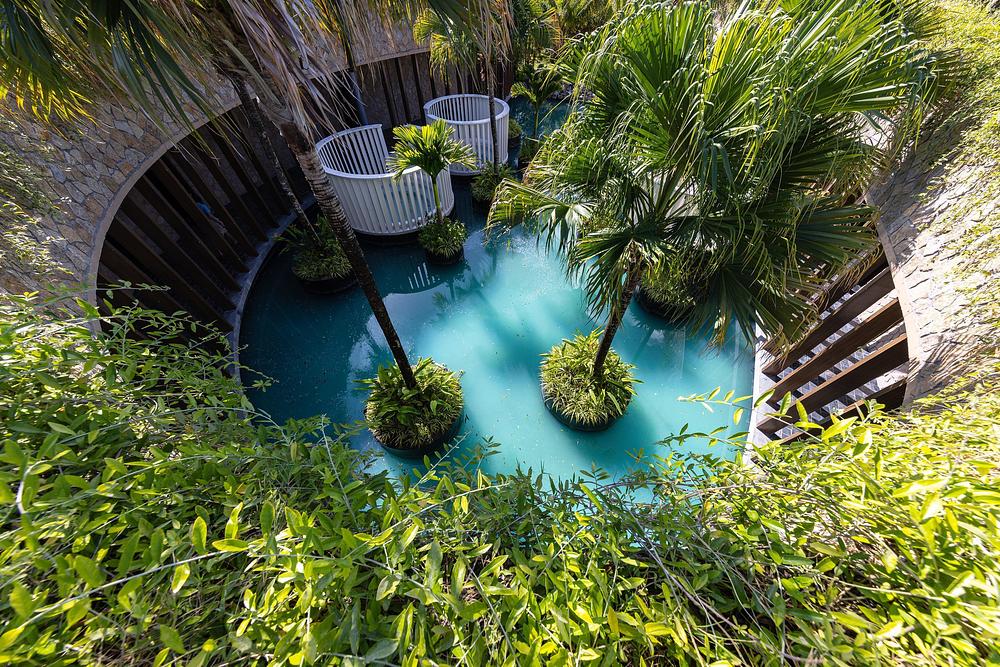
Rather than imposing a building on the landscape, the architects allowed the architecture to emerge naturally from the existing terrain. The spa is carefully embedded beneath the coastal dunes, minimizing its visual impact while preserving the site’s unique topography. By working with the natural contours instead of leveling them, the project significantly reduced excavation,
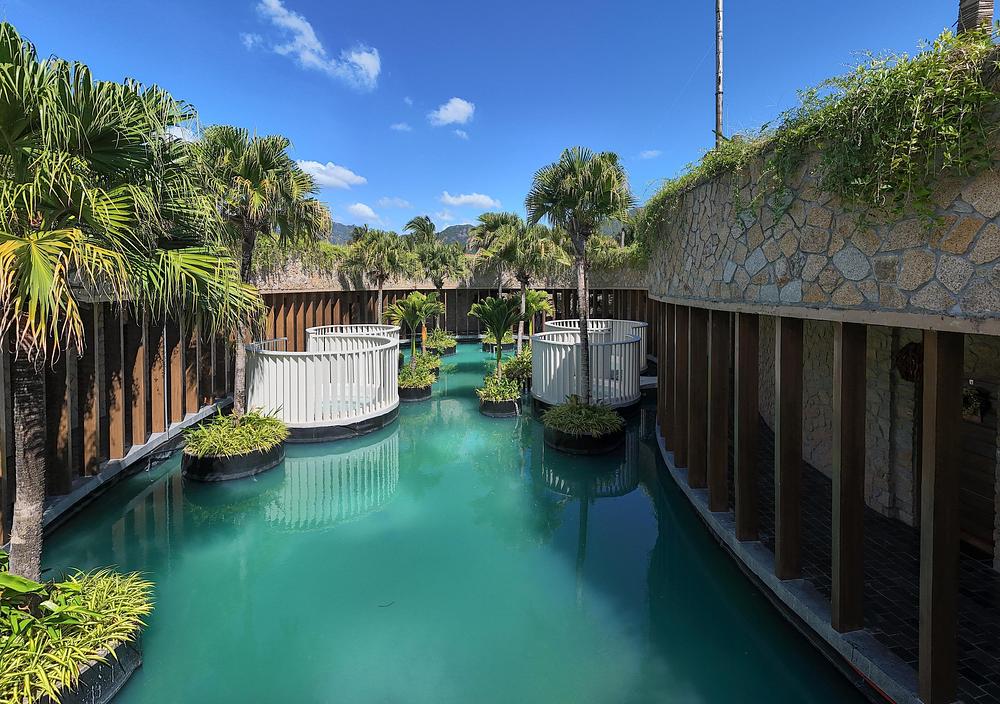
Material selection further strengthens the project’s sustainability credentials. Locally sourced stone, timber, and bamboo minimize transportation-related emissions while supporting regional craftsmanship and reducing the building’s embodied carbon. These durable natural materials weather gracefully in the coastal environment and establish a timeless architectural language rooted in place.
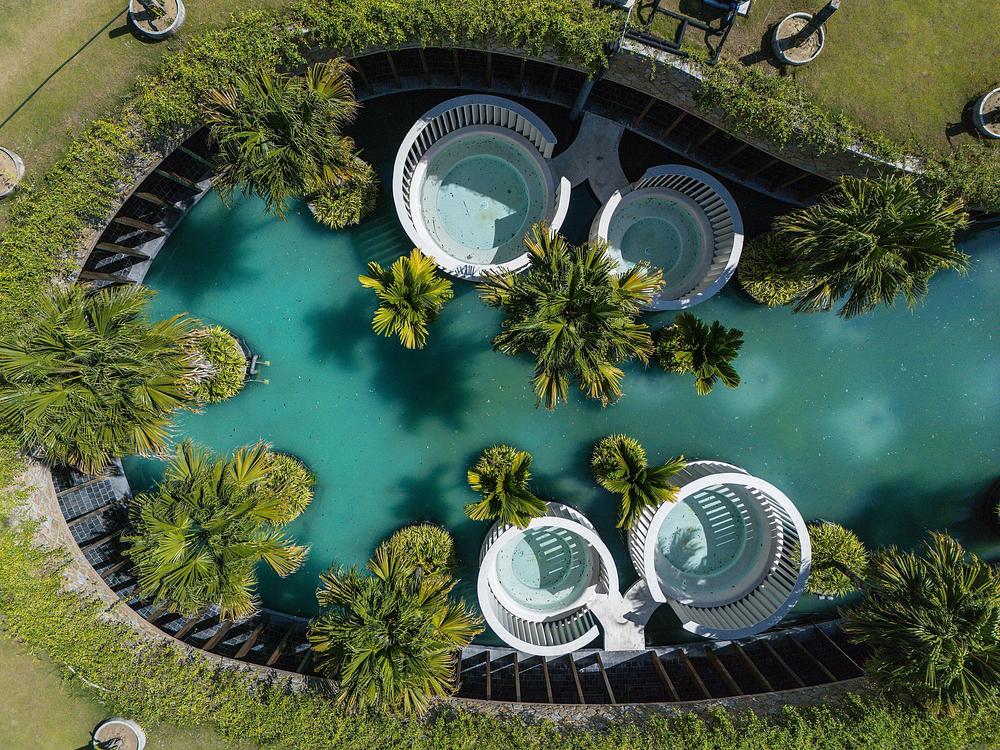
A vegetated roof serves multiple environmental functions. Beyond allowing the building to blend seamlessly into the surrounding dunes, the planted roof provides additional thermal insulation, reduces heat absorption, supports local biodiversity, and helps manage stormwater runoff. Rainwater collected from the sloping roof is reused to irrigate the extensive landscape, reducing potable water consumption and creating a more resilient water management system.
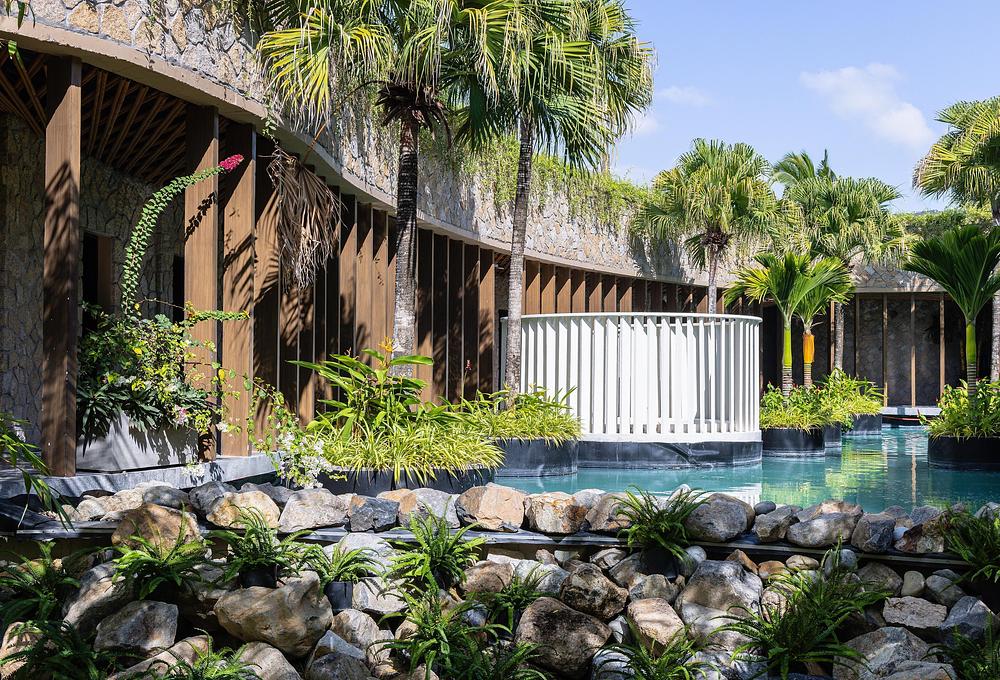
Perhaps the project’s most meaningful sustainable gesture was preserving a mature tree that stood alone on the site before construction. Rather than removing this natural landmark, the architects organized the entire composition around it, allowing the tree to become the symbolic and ecological center of the project. Its preservation reflects a design philosophy that values existing natural assets as essential components of the architectural experience.
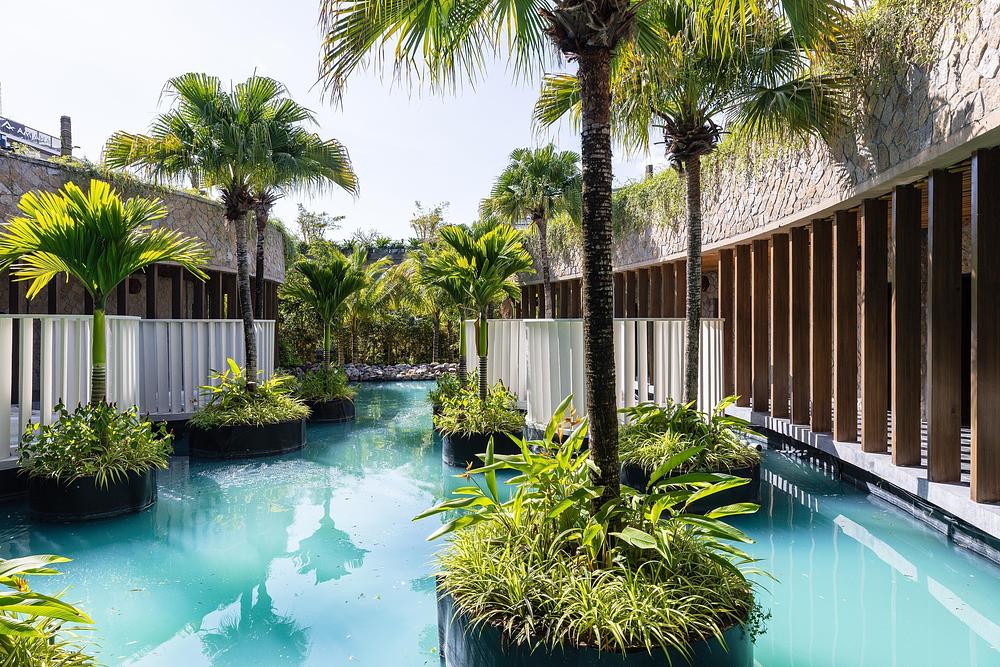
Hidden Spa – Water Hope illustrates that sustainability extends far beyond energy efficiency or technological innovation. Its success lies in its holistic integration of architecture, climate, landscape, and ecology. Every design decision—from preserving the site’s natural contours and existing vegetation to employing passive cooling, renewable natural materials, and water-sensitive landscaping—contributes to a building that works in harmony with its environment.
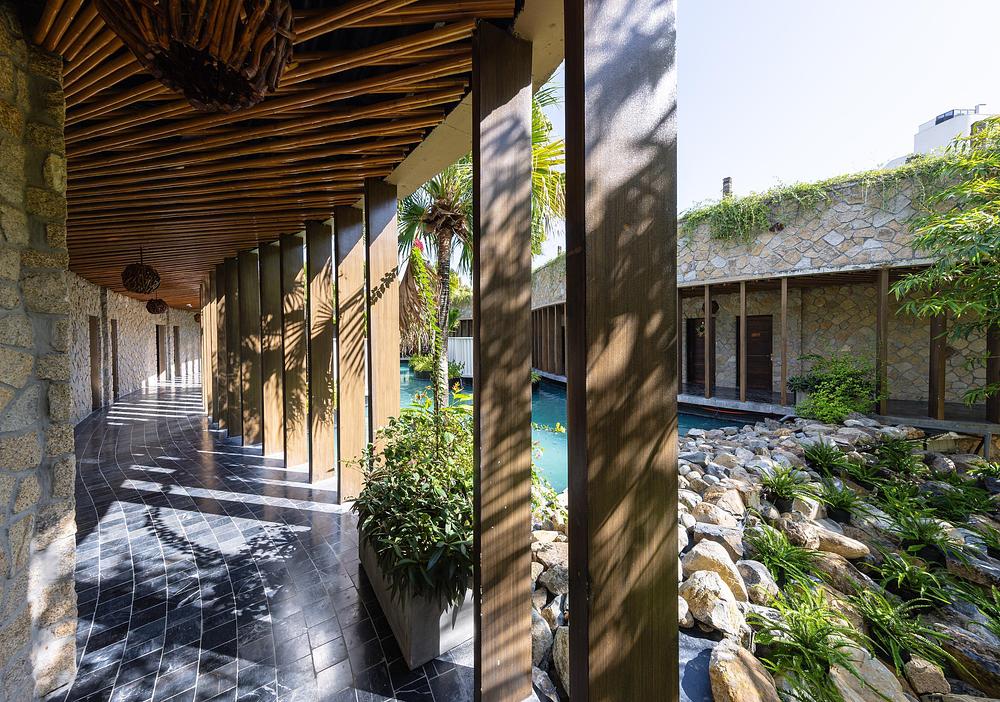
The project represents a compelling model for tropical architecture in the twenty-first century. It demonstrates that thoughtful, climate-responsive design can deliver exceptional environmental performance while creating restorative spaces that foster health, wellness, and a deeper connection with nature. Hidden Spa – Water Hope stands as an inspiring example of how architecture can heal both people and place, proving that the most sustainable buildings are often those that quietly become part of the landscape they inhabit.
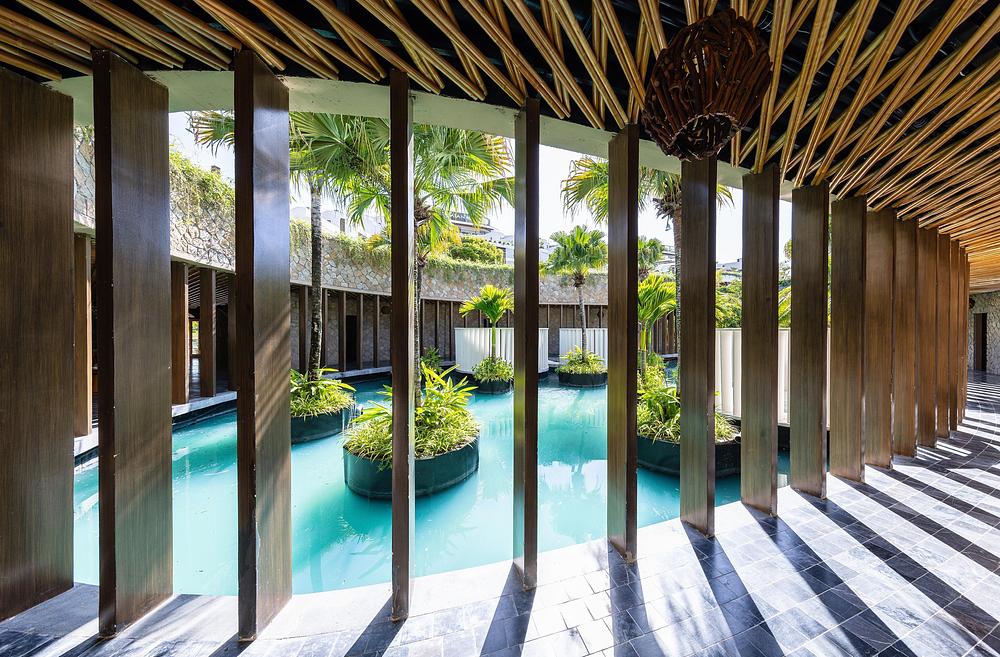
Environmental Strategies
Photos credit: Trieu Chien